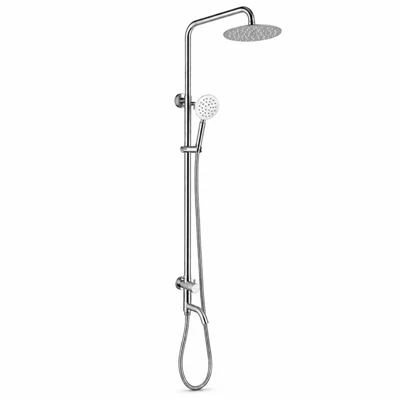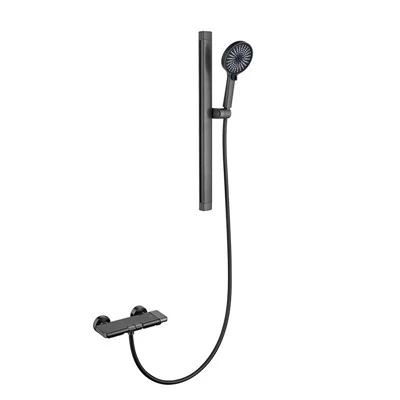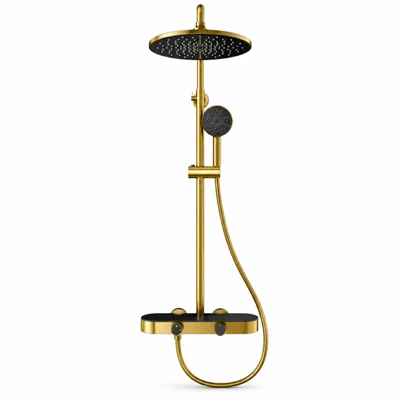
According to their uses, flexible conduits are mainly divided into: conduit hoses, drainage hoses, ventilation hoses, shower hoses, and wire harnesses.
According to their materials, flexible conduits are mainly divided into: stainless steel hoses, metal hoses, corrugated hoses, rubber hoses, and plastic hoses.
Conduit Hoses: Conduit hoses are mainly made of galvanized steel strip, stainless steel strip, PA, PE, PP, and other plastic materials. Applications: Cable protection in industries such as machinery manufacturing, electrical insulation protection, lighting equipment, automobile manufacturing, aerospace equipment, subways, trains, and automation control. Characteristics: Good flexibility, torsion resistance, good bending performance, can withstand heavy loads; resistant to acids, lubricating oils, coolants, etc., with a glossy surface and abrasion resistance. They can withstand heavy foot pressure without breaking or deforming, can quickly recover, and are themselves undamaged.
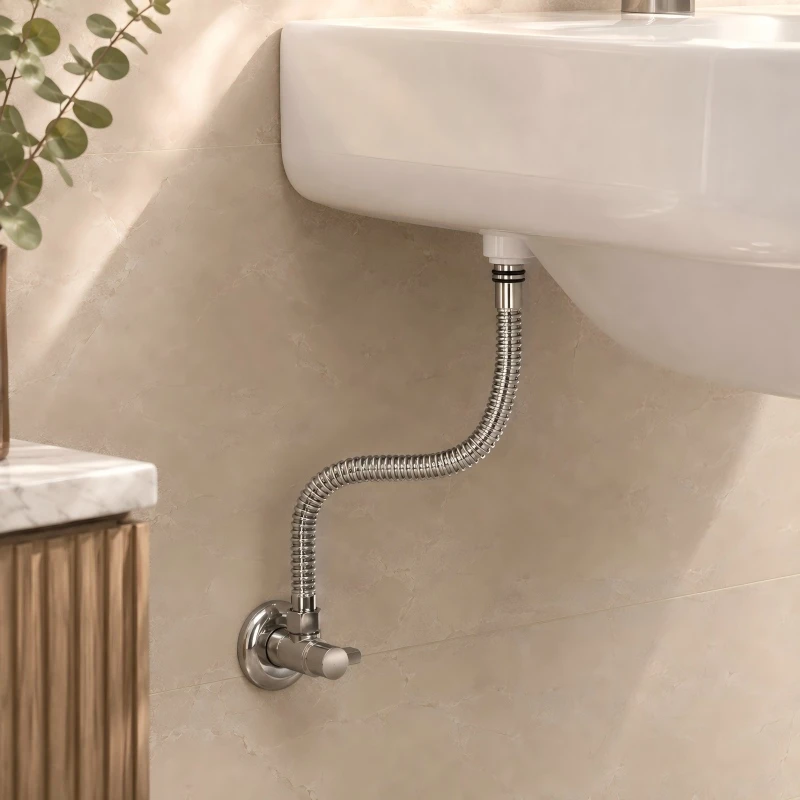
Stainless Steel Hoses: Stainless steel hoses mainly refer to hoses made of 304 or 301 stainless steel. Applications: Used as protective conduits for signal wires in automated instruments. Used to protect precision optical scales and sensor circuits. They possess good flexibility, corrosion resistance, high temperature resistance, wear resistance, tensile strength, and water resistance. It also provides a certain degree of shielding.
Metal flexible hoses mainly refer to two types: spiral corrugated pipes and annular corrugated pipes. Spiral corrugated pipes are tubular shells with corrugations arranged in a spiral pattern. There is a helical angle between adjacent corrugations, and all corrugations can be connected by a single helix.
Annular corrugated pipes are tubular shells with corrugations arranged in closed circular rings, with the corrugations connected in series. Annular corrugated pipes are formed from seamless or welded pipes. Due to processing limitations, their single-pipe length is usually shorter than that of spiral corrugated pipes. The advantages of annular corrugated pipes are good elasticity and low stiffness.
Corrugated flexible hoses, as flexible pressure-resistant pipe fittings, are installed in liquid transportation systems to compensate for the mutual displacement of pipe or machine/equipment connection ends, absorb vibration energy, and play a role in vibration reduction and noise reduction. They have many characteristics such as good flexibility, light weight, corrosion resistance, fatigue resistance, and resistance to high and low temperatures.
Plastic hoses come in two types: one is completely airtight and watertight, such as those used for propellant delivery in launch vehicles, gas, and water heaters; the other is made by continuous winding of material. Ordinary wound corrugated hoses are used to protect cables, such as those used in magnetic card telephones and machine tools, while the corrugated hoses for table lamps have steel wires inserted during the manufacturing process.